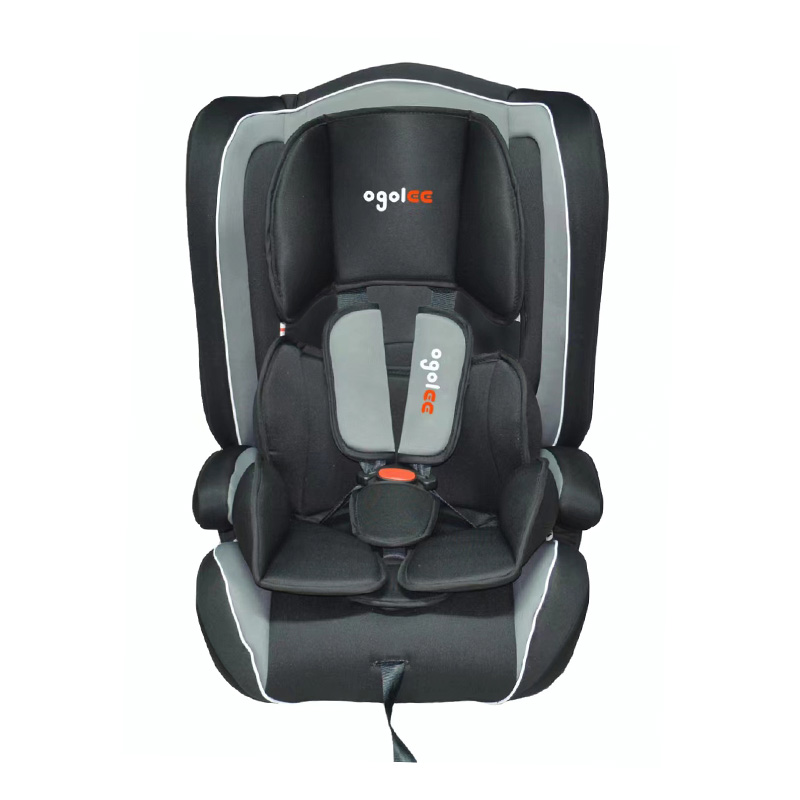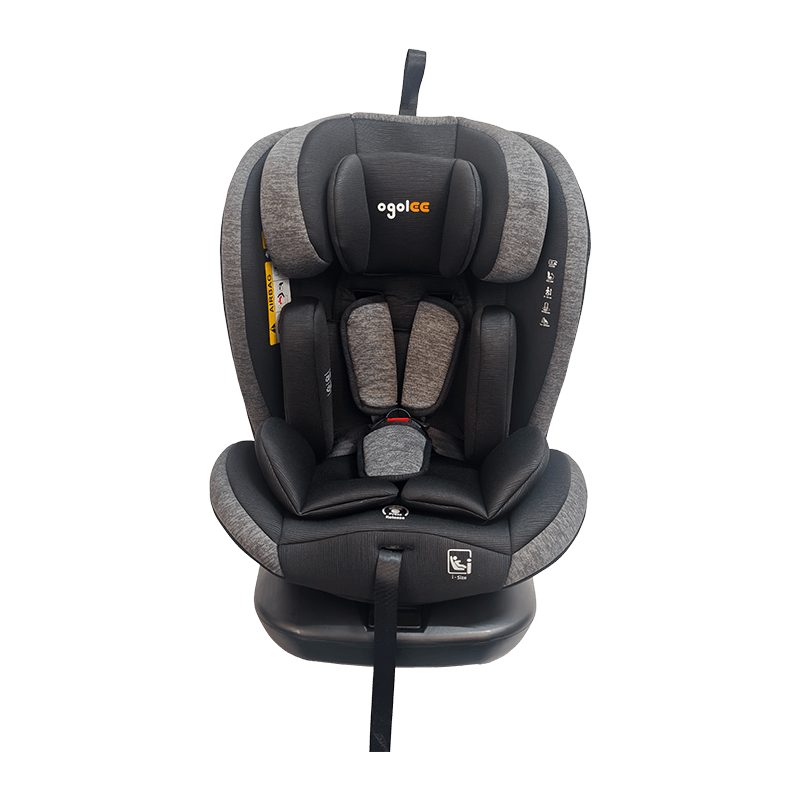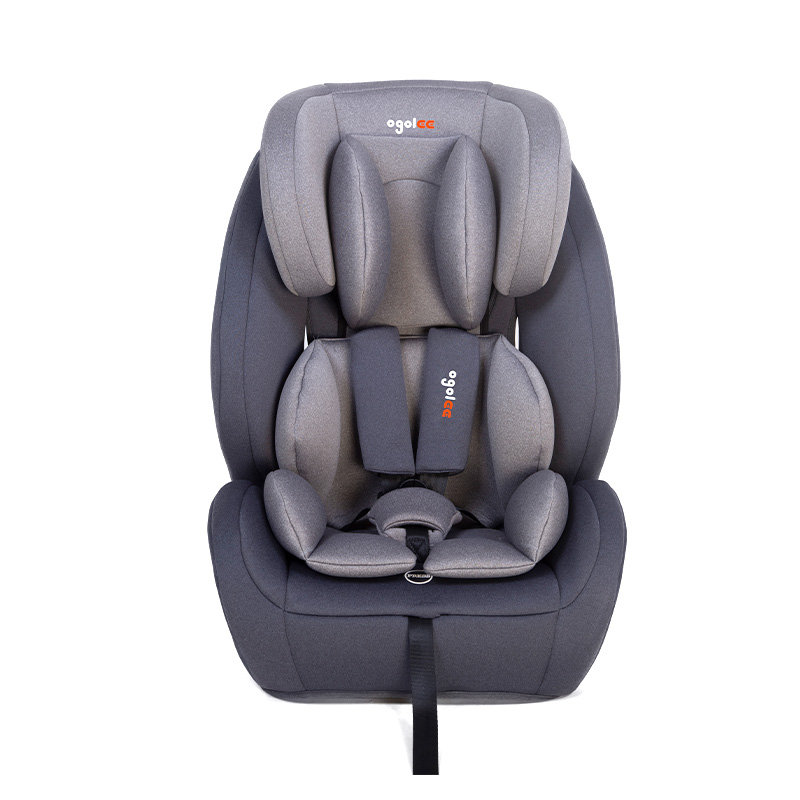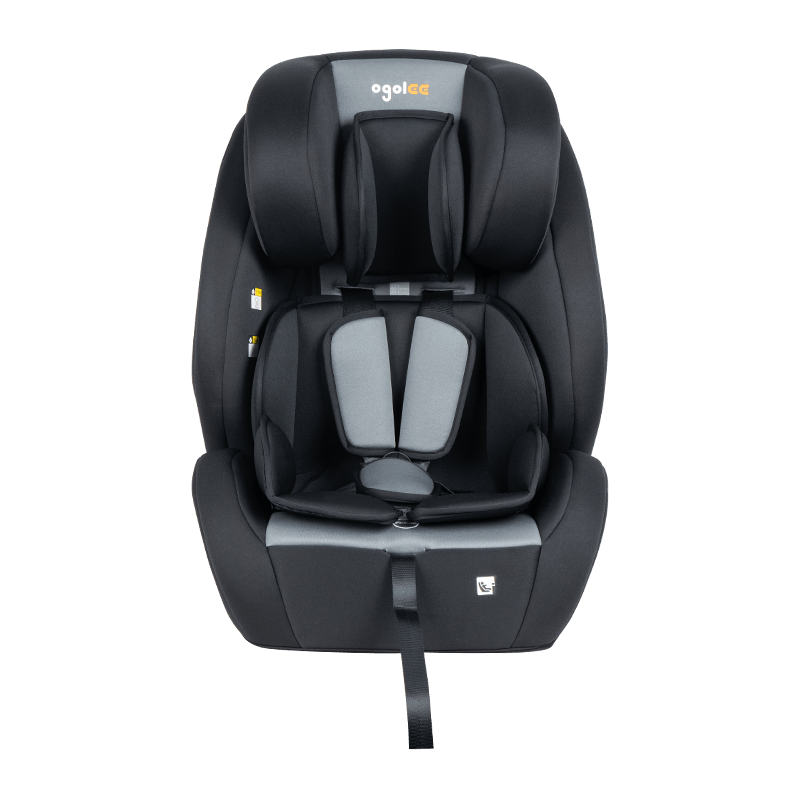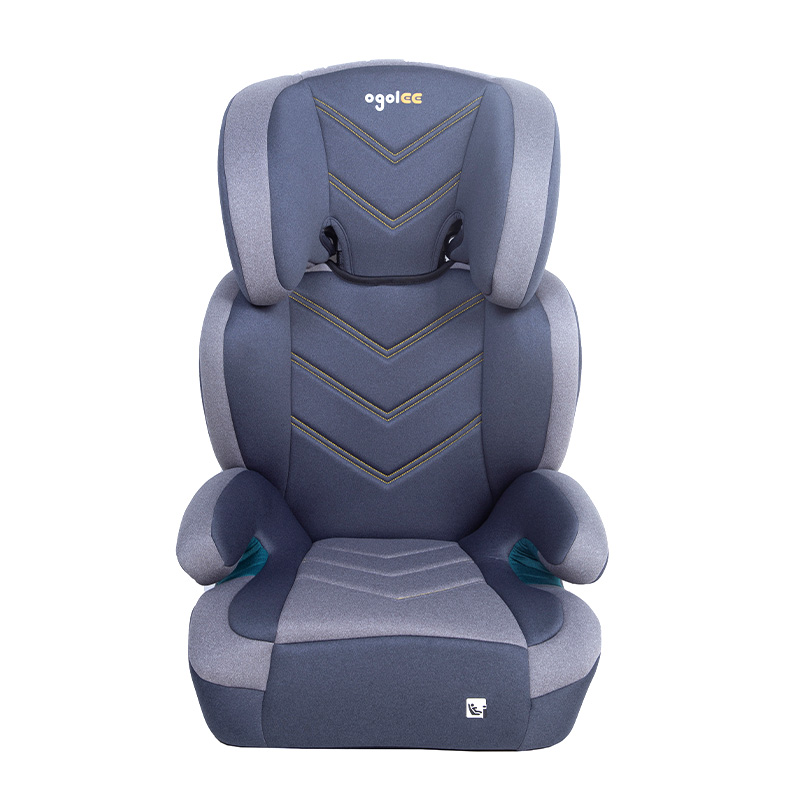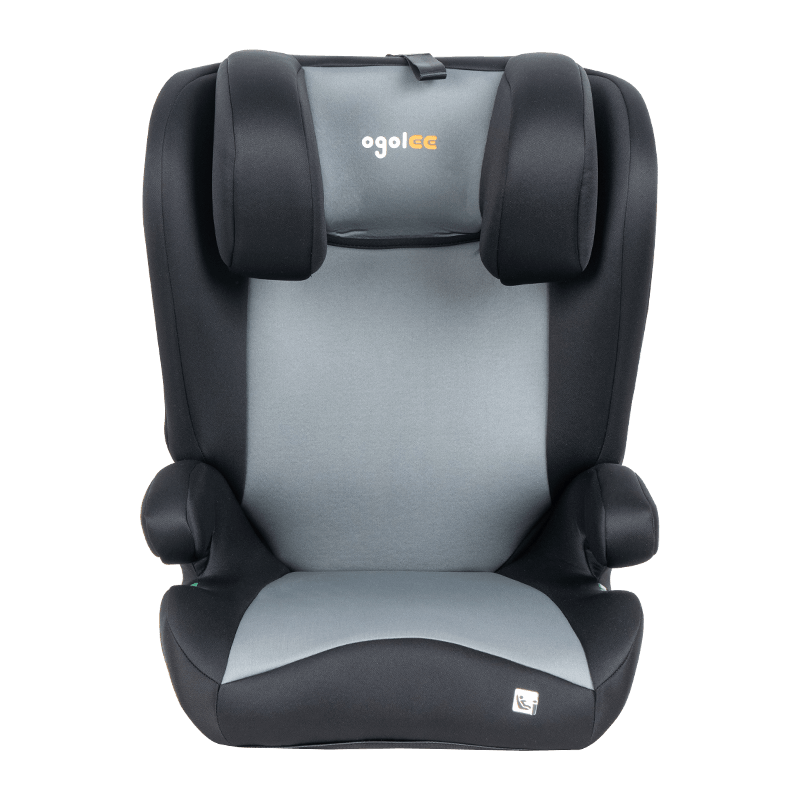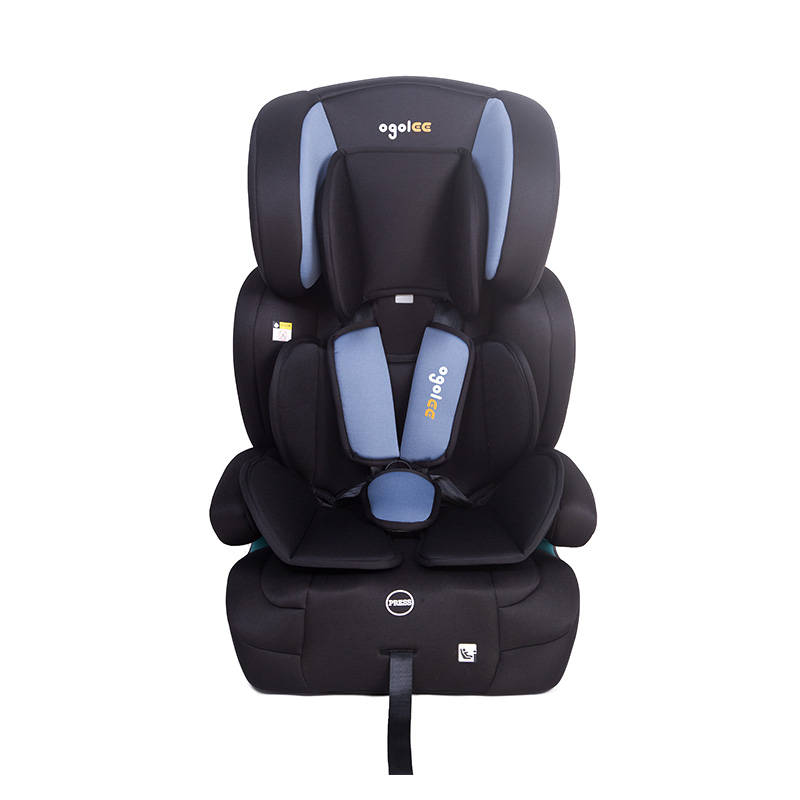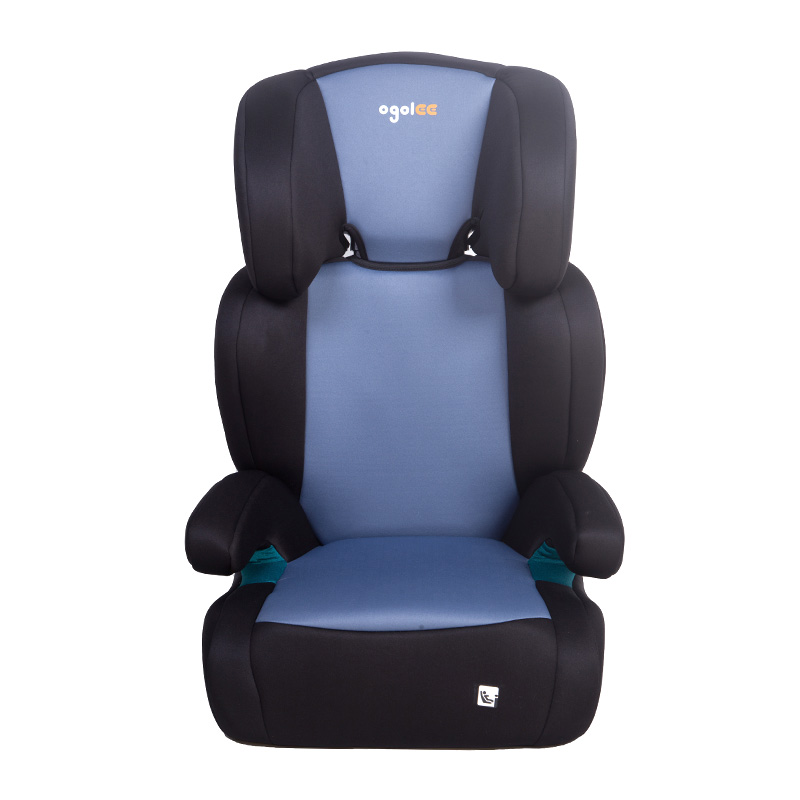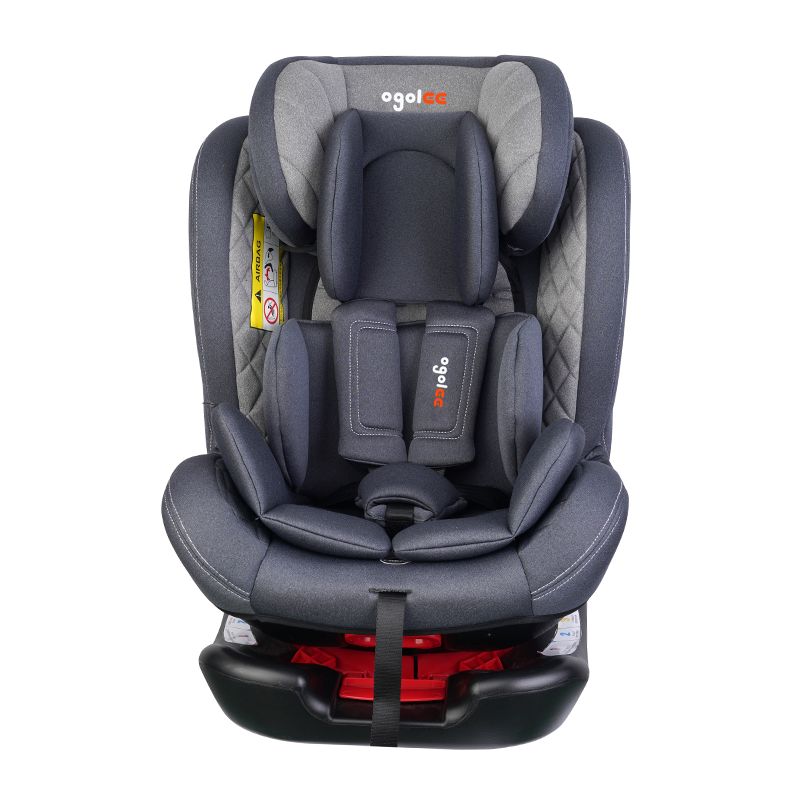


Useimmat turvaistuimet vanhenevat 6-10 vuoden kuluttua valmistuspäivästä. Tarkka aika riippuu istuintyypistä ja valmistajan tiedoista, mutta turvaistuinta ei saa käyttää sen merkityn viimeisen käyttöpäivän jälkeen – riippumatta siitä, kuinka hyvältä se näyttää ulkopuolelta. Turvaistuimen vanhenemisen ymmärtäminen on yksi tärkeimmistä – ja eniten huomiotta jääneistä – lasten matkustajien turvallisuuden näkökohdista.
Miksi auton istuimet vanhenevat?
Turvaistuimet vanhenevat, koska niiden valmistusmateriaalit heikkenevät ajan myötä, vaikka istuin näyttäisikin vahingoittumattomalta. Tämä ei ole markkinointitemppu – se on rakenteellinen ja kemiallinen todellisuus, jonka juuret ovat materiaalitieteessä ja törmäystekniikassa.
Turvaistuimet valmistetaan pääasiassa polypropeenimuovista, nailonnauhasta ja erilaisista vaahtomuovipehmusteista. Jokainen näistä materiaaleista on herkkä:
- Lämpöpyöräily — toistuva altistuminen korkeille lämpötiloille pysäköityjen ajoneuvojen sisällä (joka voi nousta 160 °F / 71 °C kesällä) saa muovin haurastumaan ja menettää iskunkestävyyden.
- UV-säteilyä — auringonvalolle altistuminen vuosien ajan heikentää istuimen kuoren ja valjaiden rakennepolymeerejä.
- Kemiallinen poistokaasu — pehmittimet ja palonestoaineet siirtyvät pois materiaaleista ajan myötä muuttaen niiden mekaanisia ominaisuuksia.
- Kulumista ja mikrostressiä — rutiini-asennus, poisto ja säätö synnyttävät mikromurtumia, jotka kerääntyvät näkymättömästi muovikuoreen.
Valmistajat testaavat istuimiaan simuloiduissa olosuhteissa määrittääkseen, missä vaiheessa istuin ei enää toimi luotettavasti liittovaltion turvallisuusstandardien (FMVSS 213 Yhdysvalloissa) mukaisesti. Viimeinen käyttöpäivä merkitsee tätä kynnystä.
Kuinka kauan kukin auton istuintyyppi kestää?
Turvaistuimen käyttöikä vaihtelee 6-10 vuoden välillä istuinluokasta riippuen. Tässä on erittely istuintyypin mukaan:
Vauvan turvaistuimet (vain selkä menosuuntaan)
Vauva auton istuimet vanhenee tyypillisesti 6-7 vuoden kuluttua valmistuspäivästä. Koska näitä istuimia käytetään lapsen haavoittuvimmassa kehitysvaiheessa – vastasyntyneestä noin 12 kuukauden ikään asti – valmistajat soveltavat konservatiivisempia vanhentumisaikoja. Istuin on myös suunniteltu erityisesti kevyille matkustajille (yleensä 22–35 paunaan asti), joten rakenteelliset toleranssit ovat tiukemmat.
Cabriolet auton istuimet
Cabriolet-istuimet, joita voidaan käyttää selkä menosuuntaan ja sitten kasvot menosuuntaan, ovat yleensä voimassa 7–10 vuotta. Koska nämä istuimet on tarkoitettu palvelemaan lasta pikkulapsesta taaperoikään (ja joskus pidemmällekin), valmistajat rakentavat ne tukevammin. Pidempi suunniteltu käyttöikä ei kuitenkaan tarkoita, että niitä tulisi käyttää vanhenemisen jälkeen.
All-in-One-turvaistuimet (3-in-1)
All-in-one-istuimet on valmistettu pitkäikäisiksi ja vanhenevat yleensä 10 vuotta valmistuksesta. Nämä istuimet siirtyvät selkä menosuuntaan menosuuntaan menosuuntaan ja koroketilaan. Ensiluokkaisen rakenteensa ja laajemman painoalueensa (usein jopa 120 paunaan tehostetilassa) ansiosta valmistajat investoivat enemmän materiaalien kestävyyteen – mikä näkyy niiden pidempinä käyttöikkunoissa.
Korotetut istuimet
Korkean selkänojan korottimet ja selkänojattomat korokkeet vanhenevat yleensä 6–10 vuodessa. Varianssi on tässä kategoriassa suurempi, koska tehostimen rakenne vaihtelee merkittävästi tuotelinjoittain. Korkean selkänojan boosterit integroiduilla valjailla ovat lähempänä täysiä auton istuimia ja kestävät yleensä pidempään; yksinkertaisilla backless boostereilla voi olla lyhyempi aikajanat.
Yhdistelmät Istuimet
Yhdistelmävaljaat ja korokeistuimet kestävät yleensä 8–10 vuoden vanhenemisajan. Nämä on suunniteltu siirtymään valjastetusta eteenpäin suunnatusta istuimesta vyön asennonvahvistimeen, ja niiden kaksimuotoinen suunnittelu vaatii materiaaleja, jotka kestävät sekä valjaiden jännityskuormituksen että hihnanohjaimen rasitukset ajan myötä.
Autonistuimen vanheneminen tyypin mukaan: Vertailutaulukko
| Istuimen tyyppi | Tyypillinen vanheneminen | Painoalue | Ensisijainen käyttövaihe |
| Vauva (Rear-Facing Only) | 6-7 vuotta | 4-35 lbs | Vastasyntyneestä ~12 kuukauteen asti |
| Avoauto | 7-10 vuotta | 4-65 lbs | Vauva through toddler |
| All-in-One (3-in-1) | 10 vuotta | 4-120 paunaa | Vastasyntynyt tehosteiän kautta |
| Yhdistelmä (valjaat tehostimeen) | 8-10 vuotta | 20-100 paunaa | Taapero kautta vanhemman lapsen |
| Booster (korkea selkä tai ilman takaosaa) | 6-10 vuotta | 40-120 paunaa | Kouluikäinen lapsi |
Taulukko 1: Yleiskatsaus tyypillisistä turvaistuimien vanhentumisajoista istuintyypeittäin. Tarkista aina tarkka viimeinen käyttöpäivä istuimesi tarrasta, koska yksittäisten valmistajien aikajanat voivat vaihdella.
Kuinka selvittää turvaistuimesi viimeinen käyttöpäivä
Viimeinen käyttöpäivä on aina painettu jonnekin itse turvaistuimeen – yleisimmin tarraan tai suoraan muoviin. Katso täältä:
- Istuimen kuoren alaosa - yleisin sijainti. Käännä istuin ylösalaisin ja etsi valkoinen tai keltainen tarra tai muoviin valettu teksti.
- Istuimen selkänoja — Jotkut valmistajat sijoittavat tarran takapaneeliin, usein lähelle LATCH-liittimiä.
- Istuimen sivu - Joissakin malleissa päivämäärä on leimattu kylkeen säätöaukkojen lähelle.
- Istuinkuoren sisällä — poista kannen pehmuste ja etsi sisämuovista sisäänmuovattua tekstiä.
Etiketissä voi olla teksti "Älä käytä [kuukausi/vuosi] jälkeen" tai vain valmistuspäivämäärä ja merkintä "vanhenee 6 vuotta valmistuspäivästä". Jos näet vain valmistuspäivämäärän, laske eteenpäin käyttämällä valmistajan ilmoittamaa käyttöikää (löytyy käyttöohjeesta tai valmistajan verkkosivustolta).
Jos tarra puuttuu tai sitä ei voi lukea, älä käytä istuinta. Ilman todennettavia vanhentumistietoja ei ole mahdollista varmistaa, että istuin on rakenteellisesti turvallinen.
Mitä tapahtuu, jos käytät vanhentunutta turvaistuinta?
Vanhentuneen turvaistuimen käyttö saattaa lapsesi vakavaan vaaraan, koska istuin ei ehkä toimi suunnitellulla tavalla kolarissa. Vaara on näkymätön – vanhentunut istuin voi näyttää täysin hyvältä, vaikka sen sisäinen rakenne on vaarantunut.
Erityisiä riskejä ovat:
- Kuoren halkeilu tai särkyminen törmäysvoimien turvallisesti absorboimisen ja jakamisen sijaan.
- Valjaiden vika — huonontuneet hihnat ja soljen osat eivät saa kestää äkillisten hidastusvoimien vaikutuksesta.
- LATCH-liittimen vika — syöpyneet tai jännittyneet liittimet voivat irrota kolarissa.
- Vaahdon puristushäviö — pehmuste, joka ei enää vaimenna riittävästi energiaa, mikä lisää pään ja kehon iskuvoimaa.
Lisäksi joillakin lainkäyttöalueilla takaisin vedetyn tai vanhentuneen lasten turvaistuimen käytöllä voi olla onnettomuuden sattuessa oikeudellisia seurauksia, jotka voivat vaikuttaa vakuutuskorvauksiin tai vastuun määrittämiseen.
Merkit, joiden mukaan auton istuin tulee vaihtaa ennen sen vanhenemista
Turvaistuin on myös voimassaolevan elinkaarensa aikana vaihdettava välittömästi, jos se on joutunut kohtalaiseen tai vakavaan kolariin tai siinä näkyy rakenteellisia vaurioita.
Vaihda turvaistuin ajoissa, jos huomaat jonkin seuraavista:
- Näkyviä halkeamia, syviä naarmuja tai murtumia muovikuoressa
- Kulunut, repeytynyt tai jäykkä valjaiden nauha
- Solki, joka ei napsahda lujasti tai vapaudu tasaisesti
- LATCH-liittimet puuttuvat, rikki tai taipuneet
- Puristettu tai litistetty vaahto, joka ei enää ponnahda takaisin
- Istuin oli osallisena missä tahansa kolarissa - jopa "pienessä".
- Istuin on palautettu takaisin (tarkista säännöllisesti valmistajan verkkosivuilta tai NHTSA-tietokannasta)
Törmäyksen korvaussääntö: Vähäinen vs. kohtalainen/vakava
Nykyiset American Academy of Pediatrics (AAP) ja National Highway Traffic Safety Administration (NHTSA) -ohjeet erottavat pienet ja kohtalaiset/vakavat kolarit määritettäessä vaihtotarvetta.
| Törmäyksen vakavuus | Kriteerit | Vaihda istuin? |
| Pieni | Ajoneuvo voidaan ajaa pois; ei vammoja; turvatyynyt eivät lauenneet; ei näkyviä vaurioita istuinta lähimpänä olevassa ovessa; lapsella ei ollut vammautumismerkkejä | Ei vaadita (tarkista huolellisesti) |
| Keskivaikea tai vakava | Ajoneuvoa ei voitu ajaa pois; turvatyynyt lauenneet; sattui vammoja; merkittäviä ajoneuvovaurioita istuimen lähellä | Kyllä – vaihda välittömästi |
Taulukko 2: Kolareiden vakavuusohjeet sen määrittämiseksi, vaatiiko turvaistuimen välitöntä vaihtoa NHTSA-kriteerien perusteella.
Mitä tehdä vanhentuneelle turvaistuimelle
Vanhentunutta turvaistuinta ei saa koskaan lahjoittaa, myydä tai luovuttaa toiselle perheelle – se on tehtävä käyttökelvottomaksi ja hävitettävä vastuullisesti.
Näin hävität vanhentuneen turvaistuimen turvallisesti:
- Leikkaa valjaiden hihnat joten istuinta ei voi käyttää joku, joka löytää sen käytöstä poistettuna.
- Kirjoita selvästi "VANNETTUNÄ — EI KÄYTÄ". kuoreen pysyvällä merkillä ennen roskakoriin laittamista tai kierrätystä.
- Tarkista auton istuinten kierrätystapahtumat — Jotkut jälleenmyyjät ja yhteisöohjelmat järjestävät ajoittain tapahtumia, joissa vanhentuneet istuimet hyväksytään ja murskataan tai kierrätetään asianmukaisesti. Muoviosat ovat usein kierrätettäviä polypropeenina (#5).
- Ota yhteyttä paikalliseen kuntaasi alueesi suurista muovinkierrätysvaihtoehdoista.
Älä koskaan sijoita ehjää, vanhentunutta istuinta lahjoitusastiaan, säästökauppaan tai verkkokauppaan. Hyvää tarkoittava uudelleenkäyttö voi vaarantaa toisen lapsen.
Onko turvallista käyttää käytettyä turvaistuinta?
Käytetty turvaistuin voi olla turvallinen vain, jos voit täysin tarkistaa sen historian, varmistaa, että se ei ole vanhentunut ja että se ei ole ollut keskivaikeassa tai vakavassa kolarissa. Tämä on korkea taso, jota on vaikea saavuttaa varmasti, ellei istuin tule henkilöltä, jonka tunnet henkilökohtaisesti ja johon luotat.
Ennen kuin hyväksyt käytetyn turvaistuimen, tarkista kaikki seuraavat seikat:
- Viimeinen käyttöpäivä on selvästi näkyvissä, eikä istuin ole vanhentunut
- Sinulla on alkuperäinen käyttöohje
- Istuin ei ole koskaan joutunut minkäänlaiseen kolariin
- Kaikki osat ovat ehjät ja ehjät (jalka, valjaat, solki, rintaklipsi, kansi)
- Istuinta ei ole palautettu (haettavissa osoitteessa safercar.gov)
- Istuinta on säilytetty sisätiloissa ja suojassa äärimmäisiltä lämpötiloilta
Jos jotakin näistä ehdoista ei voida vahvistaa, uuden istuimen ostaminen on ainoa tapa taata lapsesi turvallisuus.
Usein kysyttyjä kysymyksiä auton istuimen vanhenemisesta
Bottom Line: Älä koskaan arvaa auton istuimen vanhenemista
Turvaistuimet vanhenevat 6–10 vuoden kuluttua valmistuksesta, eikä tästä päivämäärästä voida neuvotella. Vanheneminen ei ole mielivaltainen – se on teknisesti tuettu takuu, että istuin toimii suunnitellulla tavalla kolarissa kyseiseen päivään mennessä. Sen jälkeen kaikki vedot ovat poissa.
Hyvä uutinen on, että auton istuimen vanhenemista on helppo seurata pienellä ennakoivalla huomiolla. Tarkista tarra, kun ostat istuimen, merkitse päivämäärä muistiin, aseta muistutuksia ja rekisteröi istuin valmistajan kanssa. Kun aika koittaa, poista vanha istuin vastuullisesti, tee siitä käyttökelvoton ja sijoita uuteen.
Lasten matkustajien turvallisuus on yksi niistä alueista, joilla varovaisuuden ja tyytyväisyyden välinen raja voi muuttaa elämää. Viimeinen käyttöpäivänsä ylittänyt turvaistuin ei ole laskettu riski – se on tuntematon riski. Ja lasten kohdalla tuntemattomia riskejä ei voida hyväksyä.
Turvallisuusmuistutus: Tarkista aina NHTSA:n palautustietokanta säännöllisesti ja rekisteröi turvaistuimesi valmistajalle saadaksesi turvallisuusilmoituksia. Asennusohjeet ovat saatavilla sertifioidun Child Passenger Safety Technician (CPST) -tarkastustapahtumien kautta useimmissa yhteisöissä.